.png)
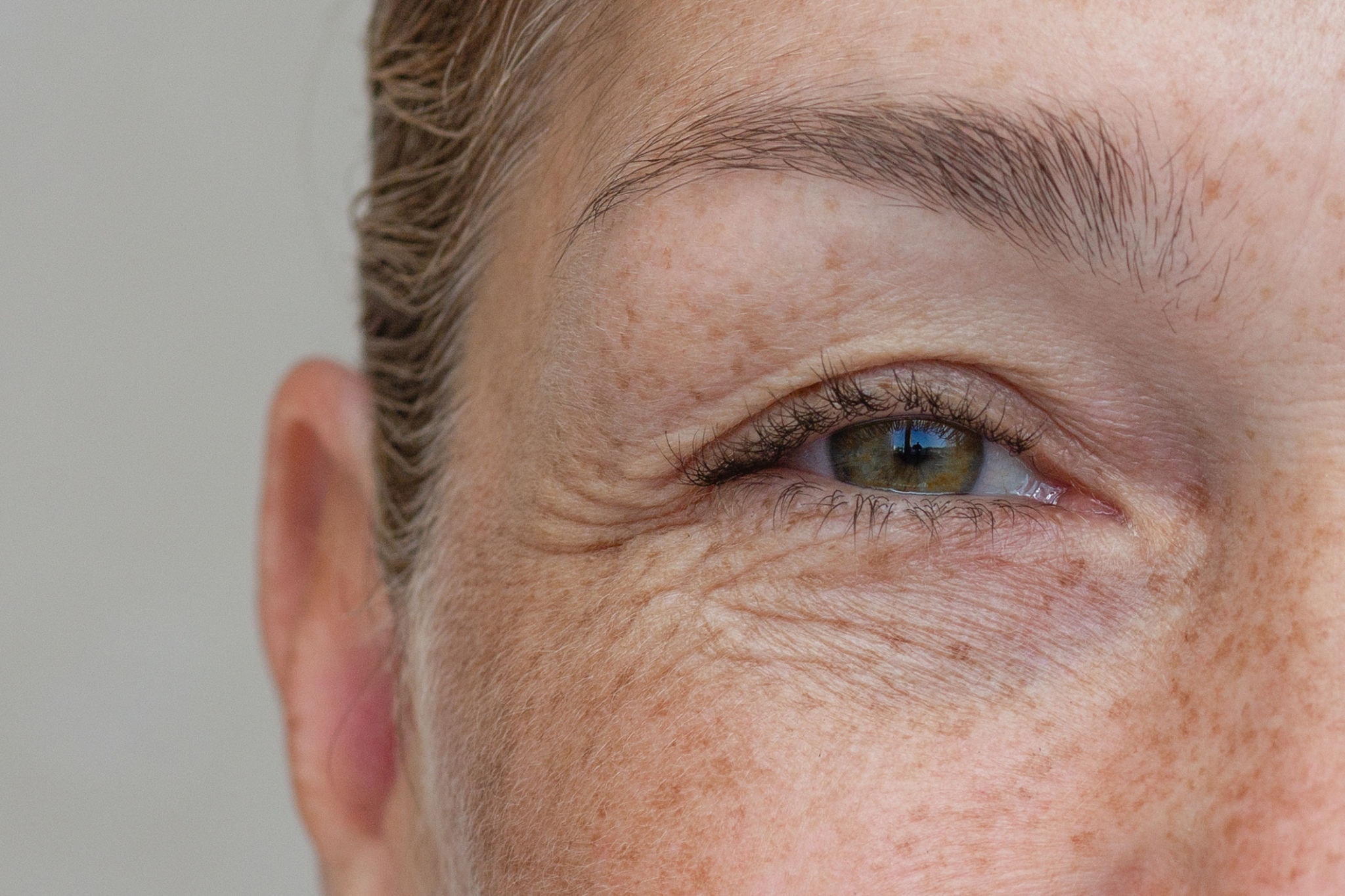
November has arrived, and with it comes longer days, warmer mornings, outdoor lunches and the gradual shift into summer.
It is also the time of year when our skin starts experiencing a little more of everything: increased UV exposure, heat, humidity, perspiration and, for many of us, a busier social calendar.
While it is tempting to focus on achieving an immediate summer glow, this is actually a great time to take a more considered approach to skin health. Think less quick fix, more skin longevity.
This month, we are looking at what your skin needs as the seasons change, which habits are worth prioritising and how to build a skincare and treatment routine that supports healthy, resilient skin well into summer.
Your summer skin checklist: protection before correction
If there is one thing we want you to take into summer, it is this: your SPF is your most important skin longevity product.
UV radiation contributes to premature skin ageing, pigmentation, collagen breakdown and DNA damage. Both UVA and UVB exposure matter, and cumulative exposure plays a significant role in long-term skin health.
A common misconception is that sunscreen is only necessary when the sun feels hot. In reality, UV radiation cannot be felt, and it can remain high on cooler or overcast days.
Our November reminder: choose a broad-spectrum SPF and apply generously to the face, neck, décolletage and ears. Reapply every two hours when outdoors, and after swimming, sweating or towel drying.
Wear a broad-brimmed hat and protective clothing, and seek shade during periods of high UV exposure. In NSW, sun protection is recommended whenever the UV Index reaches 3 or above.
And do not forget your hands. They receive considerable incidental UV exposure and are often one of the first areas to show visible signs of photoageing.
A little extra skin support: antioxidants such as vitamin C can complement your morning skincare routine. We particularly like incorporating an antioxidant serum, such as Synergie Skin's Effica C, to help address oxidative stress and support a brighter, more even-looking complexion. Remember, antioxidants complement sunscreen; they do not replace it.
Pigmentation: why November is the time to be proactive
With increased UV exposure comes an increased opportunity for pigmentation to become more noticeable. Melanin is our skin's natural pigment, produced by melanocytes. It plays an important protective role, but UV exposure can stimulate increased melanin production and uneven pigment distribution.
There are different forms of pigmentation, and understanding the underlying cause is important when deciding how to manage it.
Solar lentigines, often referred to as sun spots, are associated with cumulative UV exposure. Melasma is a complex pigmentary condition influenced by UV, visible light, hormonal factors and individual susceptibility. Post-inflammatory hyperpigmentation describes darkened areas that can develop following inflammation, acne or skin injury.
The important distinction? Not all pigmentation responds to the same treatment. A well-planned approach may involve daily broad-spectrum sun protection, carefully selected topical ingredients and professionally guided treatments.
Ingredients such as vitamin C, niacinamide, retinoids and azelaic acid may have a role depending on the type of pigmentation, skin tolerance and individual suitability.
For home care, vitamin C and niacinamide are worth considering. Synergie Skin's Effica C and Vitamin B are two examples we may incorporate into a routine depending on the individual's skin concerns. Both offer different forms of support for skin tone and overall skin health.
At The Rejuvenation Space, we believe pigmentation management should begin with understanding your skin, not simply choosing a treatment. Our philosophy: identify the concern, support the skin barrier and develop a treatment plan that considers both immediate presentation and long-term skin health.
Hydration is more than a summer glow
As temperatures rise, humidity, perspiration, air conditioning and increased outdoor activity can all influence how our skin feels. You might notice your skin becoming oilier through the T-zone while still feeling dehydrated or tight.
This is where understanding the difference between oil and hydration becomes important. Oil, or sebum, is produced by sebaceous glands and helps contribute to the skin's surface lipid environment. Hydration refers to the water content within the skin, particularly the stratum corneum, our outermost protective layer. You can absolutely have oily and dehydrated skin at the same time.
During summer, focus on maintaining a healthy skin barrier rather than over-cleansing or stripping away natural oils.
A few simple adjustments: use a gentle cleanser that does not leave your skin feeling tight, incorporate humectants such as hyaluronic acid or glycerin, choose moisturisers that support barrier function, and avoid excessive exfoliation, particularly if your skin is exposed to more UV.
This is where ingredients such as niacinamide, hyaluronic acid and barrier-supporting lipids can be particularly useful. For skin needing additional hydration and barrier support, Synergie Skin's Vitamin B and ReClaim are two options we may consider. The right choice will depend on whether your skin needs more barrier support, hydration or nourishment.
And remember, drinking adequate water supports normal body function, but simply increasing water intake beyond your needs is not a substitute for topical skin hydration.
Should you change your treatments as we move into summer?
This is one of the questions we hear regularly around this time of year. The answer is not necessarily to stop professional skin treatments, but to become more considered about timing, treatment intensity and recovery.
As UV exposure increases, treatment selection should take into account your skin type, pigmentation history, current barrier health, lifestyle and upcoming sun exposure. Some treatments, particularly more intensive resurfacing procedures, may require careful timing and a period of strict sun avoidance.
For clients working towards brighter, smoother and healthier-looking skin, a personalised plan might incorporate LED therapy, a non-invasive option that uses specific wavelengths of light to support selected skin concerns. Professional skin peels, carefully selected exfoliating treatments, can address concerns such as congestion, uneven tone and texture.
Skin needling is a collagen-induction treatment that stimulates a controlled wound-healing response and requires appropriate aftercare and UV protection. Regenerative approaches, such as PRP or Rejuran, may be considered for suitable clients depending on their individual concerns and treatment goals.
Not every treatment is appropriate for every person, and some are better scheduled outside periods of significant sun exposure.
Your home-care routine is equally important. For example, retinol-containing products such as Synergie Skin's Ultimate A may be useful for suitable clients looking to address uneven texture and visible signs of photoageing. However, retinol needs to be introduced gradually, with appropriate guidance, and may not be suitable during periods of significant sun exposure or for every skin type. Retinoids should also be avoided during pregnancy.
Our approach is always to consider the bigger picture rather than treating each concern in isolation.
The festive season skin reset: start now, not the week before Christmas
November is a lovely opportunity to get organised with your skin. Rather than rushing to fit everything in before Christmas, think about what you would like your skin to look and feel like over the coming months.
A good skin plan considers three things. Protect: establish consistent SPF use, maintain your skin barrier and minimise unnecessary inflammation. Support: review your home-care routine, address any underlying concerns and introduce evidence-informed ingredients where appropriate. Maintain: plan professional treatments around your skin's needs, recovery time and lifestyle.
If you are considering a treatment, now is a good time to have a consultation and discuss what is appropriate, particularly if you have upcoming holidays or extended outdoor activities.
And do not underestimate the value of a consistent home-care routine. A few well-selected products, used regularly and suited to your skin, will generally serve you better than constantly introducing new ingredients. The best results often come from consistency over time, rather than trying to do everything at once.
November's little skin reminder
This month also marks National Skin Cancer Action Week, running from 15 to 22 November 2026. It is a timely reminder that looking after your skin is about much more than aesthetics.
Get familiar with your skin, monitor any new or changing spots and arrange a professional skin check with your GP or dermatologist when appropriate.
And finally, a few things we would love you to remember this November. SPF is not seasonal, make it a daily habit. More exfoliation does not necessarily mean better skin. Hydrated skin still needs barrier support. Pigmentation requires an individualised approach. And consistency will always be more valuable than a quick fix.
Further reading and references
Cancer Council Australia: Sunscreen, evidence and application.
Australian Bureau of Meteorology: Understanding the UV Index.
Cancer Institute NSW: Understanding and protecting against UV.
National Skin Cancer Action Week 2026.
Written by Rebecca, The Rejuvenation Space, Redfern Sydney.
Ready to take action?
Ready to Plan Your
Summer Skin?
Every skin is different. Book a consultation at The Rejuvenation Space and we will build a plan around your skin, your lifestyle and the season ahead.